

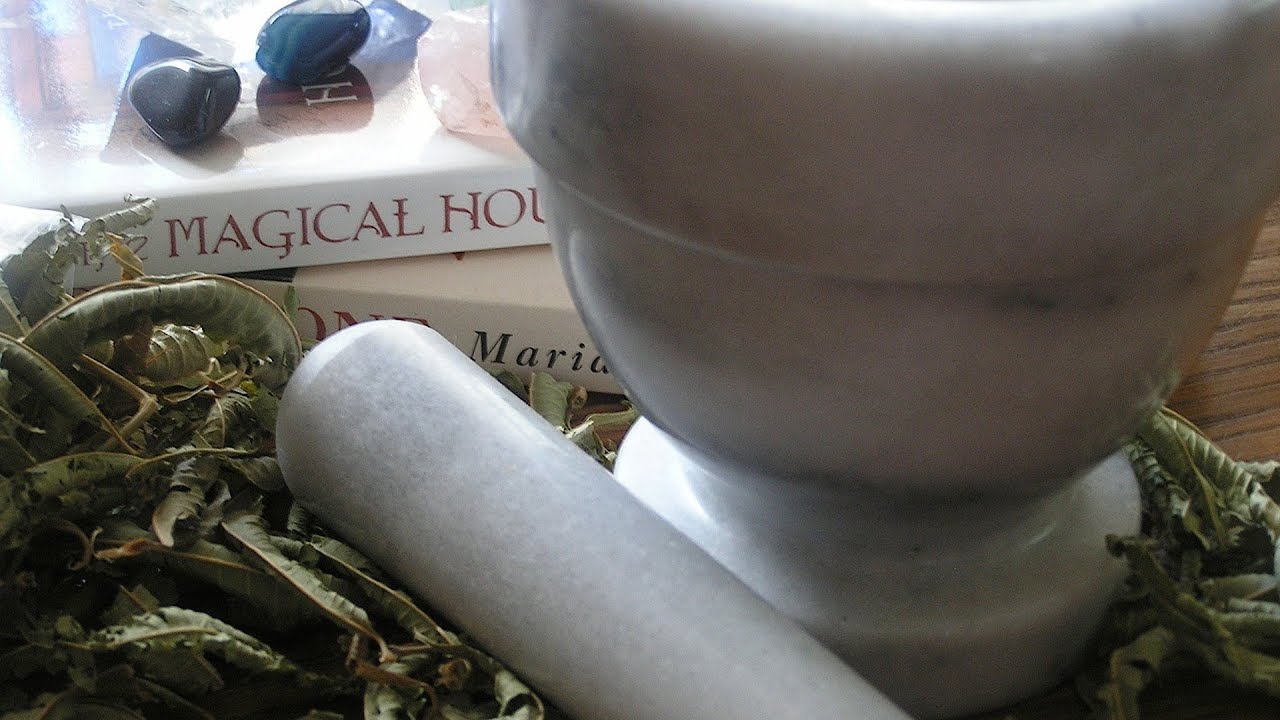
Spiritual safety starts with keeping your freedom to choose, your surroundings and the actual activity in view. A prayer, crystal or image of light may hold personal meaning. It does not tell you whether a candle is stable, a material is suitable or another person has agreed to take part.
Use a practical question before a protective ritual: what can I check or change here? You can simplify the setup, ask for permission, remove a flame or decide that today is not the right time. None of those choices requires giving up your beliefs.
Separate a symbol from a precaution
Calling a stone protective describes a spiritual meaning someone gives it. It does not establish that the object prevents harmful events. The same applies to a circle of light, a bell, a plant or a mark drawn over a doorway.
If you enjoy labradorite or another crystal, decide what the object reminds you to do. It might mark a place for reflection or remind you to pause before agreeing to an unwanted activity. You do not need to buy a stronger specimen, have it choose you in a shop or carry it everywhere to avoid a threatened consequence.
Keep ordinary precautions in place. A spiritual symbol does not replace a working light, a clear exit, appropriate professional help or a decision to leave an uncomfortable situation. An autumn date or an approaching festival does not by itself establish that a home contains a spirit.
Review your planned setup
Use this optional review to turn a planned activity into practical questions. Choose every feature that applies; leaving a box unchecked is not a safety finding.
Choose any setup feature you want to review, then select Review setup. The result explains practical adjustments; it does not measure spiritual protection or certify that an activity is safe.
The interactive review needs JavaScript. You can instead use the practical checks in the sections below: flame, smoke, shared space and material identification.
Check flame, smoke, space and materials
1. Flame: choose light without unattended burning
A battery-operated candle or ordinary lamp can mark the beginning and end of an activity. If you choose a lit candle, follow the U.S. Fire Administration’s candle guidance: use a stable holder, keep it at least 12 inches, about 30 centimetres, from anything that can burn, and put it out when leaving the room or going to bed. A cluster of candles is not evidence of greater protection.
2. Smoke: ask whether it is wanted at all
You do not need to fill a room with incense or burning herbs to make a personal intention meaningful. A spoken phrase, a written word or a quiet closing action can serve instead. Ask anyone affected before introducing scent or smoke, stop if it causes discomfort and do not leave smouldering materials unattended.
3. Space: agree before involving other people
Ask before placing objects, ringing bells, moving belongings or using a shared room. A person can accept your beliefs and still dislike smoke, sound or changes to their space. Do not describe that refusal as evidence that they have negative energy.
4. Materials: identify what you actually have
Know the contents of a product before using it. Do not assume that a stone, herb or oil is suitable for drinking water, skin, heat or cleaning mixtures. Follow the actual product label and object-specific care advice. Paper and an ordinary pen are enough if you want a symbol without adding substances.
Physical cleaning and spiritual cleansing are different purposes. You can choose a symbolic word or gesture without soaking a mineral, heating it or surrounding it with loose plants. Keep objects and cords where they will not obstruct movement or be reached by children or pets.
Three examples of making a setup simpler
1. A candle beside a curtain
The intention may be peaceful, but the nearby fabric is a practical issue. Move to a suitable clear place and follow fire guidance, or use a battery-operated light. Visualizing protection does not resolve the placement.
2. Incense in a shared living room
One person wants a cleansing ritual and another does not want smoke. Choose a smoke-free activity or an agreed separate setting. There is no need to decide whose spiritual interpretation is correct before respecting the request.
3. An unidentified stone and a glass of water
The stone can remain a decorative object. Do not put an unidentified specimen or its coating into something you plan to drink. Use a drawn symbol beside the glass if you want a reminder without adding a material to it.
Keep the right to pause and finish
Choose a clear ending before starting: close the notebook, put away the object or turn off the lamp. You do not have to wait for a special sensation or repeat a protective action until every uncomfortable feeling disappears. A feeling is something you can notice without treating it as proof of a demon, a curse or someone else’s intentions.
If an activity leaves you more frightened or takes over your attention, step back and talk with someone you trust. The NHS guidance on stress describes ways to seek support and recommends speaking with a GP when stress is hard to cope with or attempts to manage it are not helping. Seek urgent local assistance if you feel unsafe or need immediate help.
Do not let a threat choose your purchases
A person who says you must keep buying protection, hide their demands or pay more to prevent harm is creating pressure. You can end that conversation, keep records of what was requested and ask someone you trust for perspective.
The U.S. Postal Inspection Service’s psychic-scam guidance warns about promised outcomes tied to repeated fees and advises checking the full cost and what you will receive. A spiritual practice does not have to begin with a purchase, and a high price does not establish protection.
For practical preparation and closing ideas, see using invocation language in context and practice, expectations and practical safety. Choose the part that helps with the actual question in front of you, and leave room to stop.
Questions about spiritual safety
1. What does spiritual safety mean here?
Here it means keeping your choices, materials, surroundings and relationships in view while taking part in a spiritual activity. A meaningful symbol can sit alongside practical precautions, but it cannot certify protection from harm.
2. Can labradorite or another crystal guarantee protection?
No stone can provide a dependable guarantee against injury, illness, intimidation or other harmful events. You may value a crystal as a personal symbol. Choose and care for the actual object without treating a price, color or claimed vibration as proof of protection.
3. Must I cleanse a stone in water, salt or smoke?
No cleansing method is required for the simple personal practice here. Physical care depends on the material and any coating or setting. Identify the object and follow appropriate care guidance rather than assuming water, salt, heat or smoke suits every stone.
4. Is a white-light visualization enough to keep me safe?
You may use imagery as part of a personal belief or reflection, but it does not establish that a place or activity is physically safe. Keep ordinary precautions and your right to stop in place. A frightening feeling does not prove that an unwanted spirit is present.
5. Do candles or incense make a ritual more protective?
They do not establish protection. A flameless, smoke-free activity avoids the need to manage burning materials. If you use a lit candle, follow practical fire guidance and extinguish it when leaving; do not let a recipe require unattended burning.
6. Can I cleanse a room other people use?
Ask first about the place, sound, scent, smoke and objects. Other people can decline participation or ask for a different time. Your intention does not grant permission to enter private areas, move belongings or expose someone to a substance.
7. What if a practice makes me more frightened?
Pause it and return to familiar surroundings, an ordinary task or someone you trust. You do not have to keep repeating it to prove faith. Seek help from a healthcare professional if fear or stress is disrupting your life or is difficult to manage.
8. Should I pay for stronger spiritual protection?
Do not pay because someone threatens harm, guarantees safety or says escalating purchases are the only way to remove a curse. If you choose a service, establish its actual activity, total price and further charges first. You can seek a trusted person’s perspective and decide not to continue.
Interesting article. The relation of spells, crystals and herbs reminds me of traditional practices. Some spell forms seem complex though.
Yes, Anne. Traditional practices have always integrated nature in their rituals. The complexity often adds depth and power to the process.
I agree, Anne. It can be complex, but it’s also an opportunity to connect deeply with yourself and the universe.
The article has lot of interesting points. Spells being similar to prayers makes a logical sense. I do agree that intention is key.
Evil spirits being driven away by bells is amazing. The idea of using sound for purification is something that resonates with historical uses as well.
While I appreciate the effort, the syntax in some sections needs improvement. However, the use of crystals like labradorite for protection is quite fascinating.
Herbs and their usage was new to me. The idea of surrounding oneself with positive vibrational frequencies through natural elements is intriguing.
Comments are closed.