
Love magic can express tenderness, hope and devotion. Its history also includes attempts to dominate another person. Looking at that difficult material does not require giving up your spiritual practice. It gives you a clearer basis for choosing the kind of magic you want to carry forward.
The central question is not simply whether an object is called a love charm. Ask what the ritual asks for, who has a choice and what the surviving evidence actually tells us. A blessing for mutual affection and a demand that someone lose their freedom are different intentions.
Three kinds of evidence, three different questions
1. A surviving object
A figurine, amulet or inscribed tablet can show a material technique and sometimes an intended recipient. Its date, place and accompanying text matter.
2. A written recipe
A manuscript may preserve instructions or a formula. That establishes that a practice was recorded; it does not show that every reader performed it or that it achieved its aim.
3. A story or accusation
A poem, play or court record reveals how people described magic. A fictional scene or accusation is not automatically a factual account of someone casting a successful spell.
When desire borrows the language of curses
In Christopher Faraone’s discussion of ancient Greek love magic, he distinguishes spells intended to produce overwhelming desire from practices associated with affection or maintaining a bond. Some surviving erotic formulas use the vocabulary and techniques of cursing, including commands that a target experience distress until coming to the caster.
That distinction challenges a simple picture of ancient love magic as gentle matchmaking. Faraone also discusses patterns involving gender and household power in the evidence. Those patterns are interpretations of a particular historical record, rather than a rule that every man practiced one kind of magic and every woman another.
For a present-day reader, the relevant question is whether the desired connection leaves the other person able to refuse. Changing a title from “curse” to “love spell” does not change a demand for obedience.
What objects can—and cannot—show
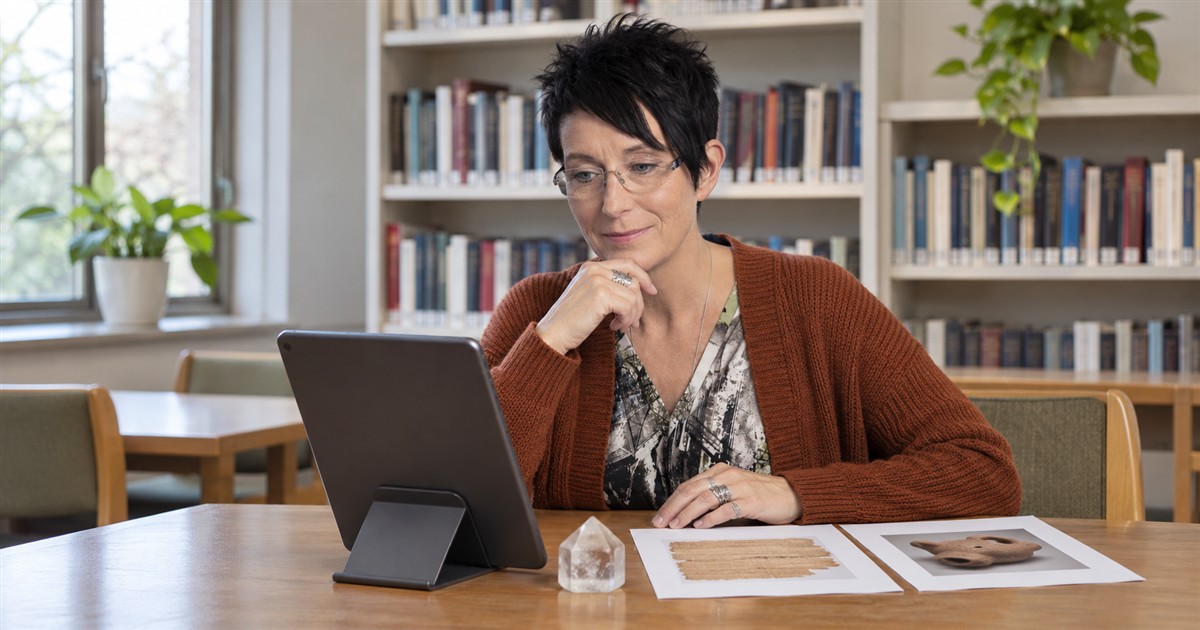
The Oxford Oxyrhynchus project’s daily-life exhibition describes ritual objects and texts, including an extended love charm associated with two embracing wax figures. Material, text and context can be studied together, rather than treating an isolated shape as a universal meaning.
A tied or pierced figure may look immediately dramatic to a modern viewer, but interpretation needs its own source. Similar materials could serve different purposes in different settings. Nor does preserving an object establish that a supernatural result followed.
When you encounter a photograph online, look for a museum or collection record. Record its place, approximate period, material and the curator’s interpretation. Avoid replacing an uncertain identification with a sensational story.
Power, gender and the danger of a single story
The historians behind Dig’s Love and Magic: A History of Violence examine coercive love magic and changes in its gendered image. Their discussion encourages readers to take seriously both the attempted control of a target and the social treatment of people accused of magic.
Keep those two issues distinct. A demand to compel affection deserves scrutiny; an accusation against a practitioner is not proof that they harmed anyone. Legal and religious records also tell us about the authorities producing them. The broad label “witch” cannot explain every period or community.
A modern reader does not need to imitate a harmful formula to understand this history. You can study the record without reenacting injury, adding undisclosed substances to food or treating cultural difference as evidence of danger.
A reading exercise: translate the intention
- Name what is being requested. Does the wording ask for care, a welcome meeting, obedience or suffering? Focus on the requested action rather than decorative language.
- Look for the missing voice. Can the other person say no? Is their existing relationship, home or freedom treated as an obstacle to remove?
- Separate past evidence from present practice. A historical object can inform your understanding without becoming your ritual instruction.
- Choose a different intention if needed. “May I welcome affection freely offered” preserves hope while allowing another person to choose. A private release practice may fit an ending better than a demand for reunion.
Read the wider context
Continue with the wider history of love spells for an overview across periods. For contemporary practice, the beginner guide offers a personal ritual, and the relationship-repair guide keeps shared work connected to willing participation and actual behavior.
Questions about this practice
1. Was all ancient love magic coercive?
No. The category covers varied intentions and evidence. Some surviving formulas seek compulsion, while others concern affection, blessing or maintaining a bond.
2. What is eros magic in this discussion?
Faraone uses the term for practices intended to arouse intense desire. Read it within the particular ancient evidence rather than as a label for every modern love ritual.
3. What is philia magic?
It refers in this scholarship to affection-oriented practices. Historical affection and household stability still need context rather than automatic modern approval.
4. Were men also spellcasters?
Yes. Surviving texts and scholarship include men as users of love magic. The stereotype that magic was always women’s work is too simple.
5. Does a recipe prove a spell was performed?
No. A written instruction establishes that a formula was recorded. Evidence of actual use needs its own support.
6. Does an ancient charm prove supernatural power?
It documents belief, practice or intention. It does not by itself establish the cause of a later event.
7. Can an accusation be read as a confession?
No. A court accusation and a reliable account of an action are different forms of evidence.
8. Why does provenance matter?
Place, date, material, language and collection context help distinguish a documented object from a modern caption or invented story.
9. Is a figurine always a curse object?
No. Similar materials can have different uses. Read the accompanying evidence and collection interpretation.
10. Should I reenact a historical formula?
You can study it without performing it. Avoid instructions involving injury, coercion, bodily substances or undisclosed ingredients.
11. Is secrecy in a love potion acceptable?
Do not add undisclosed substances to another person’s food, drink or skin. A spiritual purpose does not supply permission.
12. Can I keep believing in spells while rejecting coercion?
Yes. You can choose intentions and practices centered on freely offered affection, care and your own conduct.
13. Is every culture’s relationship blessing a love spell?
No. Use the community’s own terminology and context rather than relabeling every ceremony as magic.
14. What should I ask when reading a spell?
Ask what it requests, who has a choice, what the source is and whether it describes history or gives present-day advice.
15. What is a respectful modern alternative?
Choose a personal intention for clarity, self-love or welcoming mutual affection, and leave another person’s answer open.