
A plant growing through an overlooked patch of ground can invite attention before it becomes a ritual ingredient. You can notice its shape, the place it grows and the meaning it suggests to you without picking, eating or burning it. That is a useful way to begin exploring weeds in a personal magical practice.
“Weed” describes a plant growing where someone does not want it. It is not a botanical identity, a guarantee that a plant grows everywhere or a statement about its safety. Keep three things separate in your notes: what you observed, what the plant might be and the symbolic meaning you chose.
Begin with observation rather than collecting
Choose a place you can access legitimately and comfortably, such as a familiar public path. Stay out of traffic, construction areas and other people’s gardens. You can use a book illustration or your own drawing instead of going outside.
Record the date, general setting and visible features without touching an uncertain plant. A photograph or common name may leave identification unresolved. If you want to learn its identity, consult a reliable local botanical resource or knowledgeable local expert; do not use a magical correspondence as an identification key.
You do not need to take a sample home to keep the observation meaningful. Leave plants, roots, flowers and seeds where they are for this exercise. Knowing a name also does not establish that harvesting is permitted or that a particular use is appropriate.
Nine plant names as personal reflection prompts
The names below are familiar in weed and herbal-magic discussions. These are optional prompts for writing or drawing, not universal traditional meanings, plant-identification instructions or a list of ingredients to gather.
| Plant name | A personal prompt | A practical distinction |
|---|---|---|
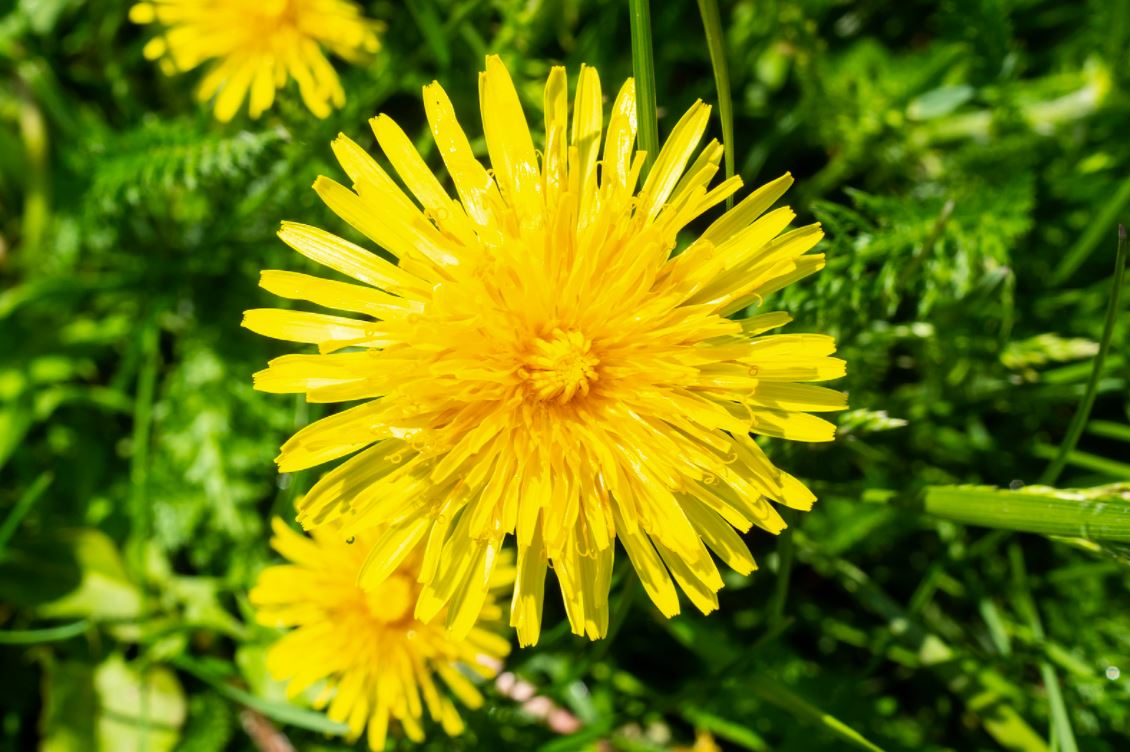
| Dandelion | Where would I like to begin again? | Write one small action. A wish does not predict a future partner, money or a deadline. |
| Bindweed | Which part of this situation feels tangled? | Separate two questions on paper. Do not treat the plant as a treatment for addiction or tension. |
| Borage | What would make a difficult task more manageable? | Choose preparation or support. A symbolic association does not establish a treatment for depression. |
| Thistle | Which boundary do I need to express clearly? | Draft a sentence you can use. A drawing does not secure a place or protect you from every harm. |
| Clover | What opportunity can I prepare for? | Name the application, conversation or task. Luck symbolism is not a financial or medical promise. |
| Nettle | Where would keeping a little distance help? | Use a drawing or written name rather than handling a plant. A symbolic shield does not prevent lightning or illness. |
| Pokeweed | What can I appreciate without bringing it home? | Leave the physical plant out of the practice. Do not collect berries for ink, mixtures or a ritual kit. |
| Daisy | What do I know about this relationship, and what am I guessing? | Write the distinction. Counting petals cannot establish someone else’s feelings or consent. |
| Mugwort | What detail of a dream would I like to record? | Record it as your experience, without treating it as a prediction or a reason to use the plant physically. |
You can choose a different meaning or leave a name unused. If you are studying a documented tradition, keep the source, community and context with its account. Avoid assigning a belief to all Indigenous peoples or calling a personal association an ancient universal practice.
Keep pokeweed out of an improvised ritual kit
Poison Control’s pokeweed guide identifies the whole plant as poisonous. It describes serious illness after roots were mistaken for a medicinal plant. Attractive berries and a history of use do not make it a suitable beginner material.
Do not use pokeweed berries for homemade ink in this practice, or turn any uncertain wild plant into tea, oil, powder, incense or food. A label such as “cleansing” or “protective” does not answer a safety question. A drawing can serve the personal prompt without bringing plant material into contact with people, food or household surfaces.
If someone has eaten a poisonous or uncertain plant, contact a poison service promptly and keep any identification information available. In the United States, call 1-800-222-1222; elsewhere use your local poison service. Do not wait for a ritual sign or use a correspondence list to decide what to do.
A magical association is not a health recommendation
A plant can appear in a spiritual story and also be promoted as an herbal product. Those are separate claims. The NCCIH mugwort summary reports insufficient evidence to determine its safety or usefulness for health conditions and advises against use during pregnancy. That does not support a casual recommendation to use mugwort for menstrual problems.
The NCCIH red-clover summary likewise describes inconclusive benefits and inconsistent findings for menopausal symptoms. A clover symbol on a notebook is different from choosing a supplement. Ask a qualified health professional about an actual herbal product rather than using a magical plant list for treatment decisions.
Growing a plant yourself does not by itself make every part safe to swallow, burn or apply. The exact identity, part, product and intended use still matter. For those separate questions, read choosing herbs and understanding their intended use.
A five-step weed-observation practice
- Choose one question. Use a manageable concern, such as beginning a task or expressing a boundary. Avoid a promise to cure a condition, remove a curse or control someone.
- Choose an image or observation. Draw from a book, use an existing photograph or observe from an appropriate path. Leave the physical plant alone.
- Write what you actually know. Describe the setting and features you noticed. If the name is uncertain, label it uncertain rather than turning a guess into an identification.
- Add the symbolic meaning separately. Explain the association in your own words and identify whether it is personal or comes from a particular source.
- Choose an action and finish. Put away the page and take an ordinary next step you can control. There is no need to burn, bury, scatter, ingest or carry plant material.
A filled-in example: Sage leaves the plant in place
In this fictional example, Sage notices a yellow flower beside a familiar path while thinking about an unfinished project. Sage keeps the observation and interpretation separate.
- The observation
- A yellow flower is growing beside the path. Sage makes a quick drawing without picking it.
- The uncertain identification
- Sage writes “name not confirmed.” The drawing is not used to decide whether the plant can be eaten or handled.
- The personal association
- The unexpected flower becomes a reminder to make a small beginning. Sage does not claim the plant sends a message or predicts success.
- The practical next step
- Open the unfinished document and write its first question. The page can be kept without collecting anything from the site.
Let attention be enough
A meaningful practice need not turn every discovery into a possession. You can revisit an observation, compare it with a local botanical account or write about how the place changes. Learning to leave uncertainty visible is useful in both plant study and spiritual reflection.
If you already have labeled ritual materials, store and handle them according to their intended use. The ritual-material aftercare guide covers the distinct questions of reuse and disposal. An unknown mixture does not become suitable to burn or bury because a ritual has ended.
Questions about weeds in magical practice
1. Do I need to collect weeds to use these prompts?
No. This exercise uses observations, drawings, photographs or written names. You can keep the physical plant out of the practice and still explore a personal symbolic meaning.
2. Does “weed” mean a plant is harmless?
No. It describes a plant growing where it is not wanted, not a botanical identity or safety assessment. A common name, attractive flower or magical association does not establish a suitable use.
3. Can I make ritual ink from pokeweed berries?
Leave pokeweed out of the improvised kit described here. Poison Control identifies the whole plant as poisonous. Use an ordinary pen or drawing material rather than collecting berries for homemade ink or mixtures.
4. Can growing a plant myself make it safe to eat?
Not by itself. The exact identity, plant part and intended use still matter. This observation exercise includes no ingestion, burning or skin application, and a magical list is not food or treatment guidance.
5. Can mugwort or clover symbolism guide a health decision?
No. A personal symbol does not establish that an herbal product is safe or effective. NCCIH describes important evidence limitations for mugwort and red clover. Discuss an actual product or treatment question with a qualified health professional.
6. Are the nine prompts traditional correspondences?
They are optional personal reflection prompts created for this guide. A documented tradition may use different meanings. Keep the source and context with any traditional account rather than presenting one list as universal.
7. Can daisies tell me whether someone loves me?
Counting or removing petals does not establish another person’s feelings or consent. Use the idea as a question about what you know and what remains uncertain, then pay attention to direct communication and freely chosen behavior.
8. What if someone has eaten an uncertain or poisonous plant?
Contact a poison service promptly and keep identification information available. In the United States, call 1-800-222-1222; elsewhere use your local poison service. Do not wait for a symbolic interpretation to decide whether to get help.
The article raises some interesting points, although some of the uses seem a bit anecdotal rather than scientifically grounded. Nevertheless, I appreciate the effort in highlighting the potential benefits of often overlooked weeds like Bindweed.
Fascinating insights into the magical properties of common weeds. The discussion on Mugwort and its relation to the moon cycles was particularly enlightening. However, some sections could use a bit more clarity and proofreading.
The article provides a comprehensive overview of various weeds and their uses in magic. I found the historical context regarding the Borage and its connection to Roman soldiers particularly fascinating. However, I would have appreciated more scientific explanations alongside the mystical attributes.
Interesting read about weeds and their magical properties. I wonder if modern herbalists might validate some of these claims about plants like dandelions or nettles. The syntax in parts of the article can be a bit confusing.
While the content is intriguing, it would benefit from a more structured approach. For instance, categorizing weeds based on their primary uses might make the information easier to digest. The part about daisies and their historical use by Ancient Egyptians stood out.