

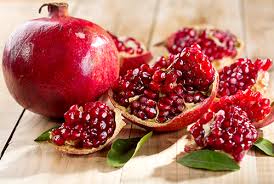
A pomegranate can be a striking symbol for a private love ritual: a red fruit, many seeds and a shape you can draw or hold while naming a wish. It does not provide a measured chance of romance, change your appearance or make a partner stay or leave. Eating a particular number of seeds is not a reliable way to decide another person’s feelings.
The useful question is what you want the symbol to help you notice. You might want a welcome conversation, a kinder way to think about yourself or clarity about ending a relationship. Each calls for a different ordinary choice. A personal ritual can mark your intention without claiming to make that choice for somebody else.
A fruit can have several meanings
The Metropolitan Museum of Art’s terracotta pomegranate, a Classical Greek object, is described in connection with funerary beliefs and the story of Persephone. That context is a reminder that the same fruit can carry meanings beyond romance. One modern love-spell recipe should not be treated as the single ancient meaning of a pomegranate.
You can choose what its color or many seeds mean in your own exercise. State that meaning as your choice: “These seeds remind me that I have several possible next steps.” That is different from claiming that the fruit contains a command or that a myth establishes a power to bind someone.
Turn the wish into a choice you can make
| The wish | A personal question | An ordinary next step |
|---|---|---|
| “I want us to feel closer.” | What time together would I like to invite, without deciding the answer? | Offer a welcome conversation or activity and leave room for a no. |
| “I want to feel beautiful.” | What would feel like care or self-expression today? | Choose a comfortable outfit, an enjoyable activity or a kind description of yourself without promising a physical transformation. |
| “I want this relationship to end.” | What boundary or decision do I need to express, and what support would help? | Consider a clear conversation when safe, or confidential individual support if you fear the response. |
The number of seeds you choose does not settle any of these questions. A waxing or waning moon can be a date you personally like, but it does not replace communication or establish a deadline for someone to change. You do not need to wait for a moon phase to respect a boundary or seek support.
A short personal reflection with a pomegranate symbol

Use a drawing, a picture or an intact fruit kept separate from the writing materials. You do not have to eat anything, collect another person’s belongings or give them a ritual ingredient. The exercise below is a personal reflection, not a reconstructed historical ceremony.
- Name the wish in plain words. Write what you hope for, then identify which parts depend on somebody else’s choice.
- Give the symbol one role. For example, let the many seeds remind you that your future is not limited to one person’s answer. You can choose another meaning or use no object.
- Write the action and the limit. Name a request, an act of care or a boundary you can keep. Add what the activity cannot decide, such as whether another person wants a relationship.
- Finish and put the symbol away. Take the appropriate next step or seek support. You do not need to feel drained, wait for a sensation or repeat the activity until you get a promised result.
A symbol can remain meaningful even when the answer is disappointing. If nothing changes outside the exercise, you can record that honestly. It does not mean you charged the fruit incorrectly or need a stronger ingredient.
A filled-in example: Mira considers a relationship ending

In this fictional example, Mira has decided that a relationship with Ren no longer fits what Mira wants. A picture of a pomegranate becomes a reminder to consider choices openly rather than waiting for a ritual to make them drift apart.
- The wish
- “I want to stop continuing a relationship I no longer choose.”
- The symbol
- A drawing of the fruit represents more than one possible future. It does not stand for controlling Ren.
- The boundary
- Mira can decide whether to participate in the relationship. Ren’s feelings and response remain Ren’s own.
- The real next step
- Mira prepares clear words for a conversation if it is safe, and arranges support for afterwards. If Mira fears threats or retaliation, individual safety-focused help comes before a confrontation.
Mira does not hide seeds in food or try to create rejection indirectly. A wish to end a relationship deserves a practical decision, not an undisclosed experiment on the other person. For more on maintaining that distinction, see love spells and another person’s choices.
If you want to serve fruit, keep it an ordinary food choice
Ask whether the person wants pomegranate, explain anything added and respect preferences or dietary needs. Accepting food is not agreement to a spiritual activity, a romantic relationship or sexual contact. Do not hide substances in a serving or describe eating it as proof of trust.
The FDA’s produce guidance recommends washing produce under running water before preparation, even when the skin will not be eaten, and using clean hands and utensils. It advises refrigerating produce purchased pre-cut or packaged. Follow appropriate food storage rather than leaving prepared fruit outside for a sun or moon ritual.
Keep paper, ink, fragrance, candle wax and other craft materials away from food you intend to eat. If you only want a symbol, a drawing avoids the need to prepare, share or store any fruit. Our guide to love-potion ideas discusses why a drink, a fragrance and a symbolic object need different treatment.
Know what a ritual cannot promise
A claim of a 99.99% success rate needs actual evidence and a clear definition of success; a personal story about a spirit or meditation does not supply that. Neither a confident claim nor a precise-looking number establishes that a fruit changes beauty, attraction or a breakup. Do not make a major relationship decision on that number.
If the practice brings up a difficult question, return to the question itself. You can ask for closeness, explore self-expression or decide to leave a relationship. The guide to shared agreements and personal limits offers words for a real conversation. No food, symbol or private intention removes the need for each person to choose freely.
Questions about a charmed-fruit love ritual
1. Can two pomegranate seeds make me more beautiful?
A seed count does not establish a physical transformation or a change in how others see you. You can choose a personal act of care or self-expression without assigning it a guaranteed beauty result.
2. Can sharing one seed make someone love me?
Sharing fruit does not verify attraction or create romantic agreement. Offer food openly if it is welcome and let the person decline. A private ritual cannot decide what the other person feels.
3. Can I use the fruit to make a relationship end?
Do not rely on hidden food or a ritual to make someone drift away. Consider the decision and boundary you want to express. If you fear threats or retaliation, seek confidential individual support before deciding how to raise the subject.
4. Do I have to use a particular moon phase?
You can choose a personally meaningful date, but there is no required phase in this exercise. A moon date does not establish control over a relationship. You do not need to delay honoring a boundary or seeking support until a preferred date.
5. Can I use a picture instead of real fruit?
Yes. A picture or drawing can serve as the optional symbol. The reflection is about your own wish, action and limits, so it does not require preparing food, buying a pomegranate or giving anything to another person.
6. Does feeling tired prove I charged the fruit?
A feeling of tiredness does not verify that energy was transferred or that a romantic outcome will follow. You do not need to push yourself to feel drained. Stop the exercise when you choose and attend to your ordinary needs.
7. Does the Persephone story prove a pomegranate can bind love?
A mythological or artistic association explains a cultural meaning, not a demonstrated power over another person. Keep the story in its context and describe your own interpretation as a choice. Another person’s actual agreement remains separate from the symbol.